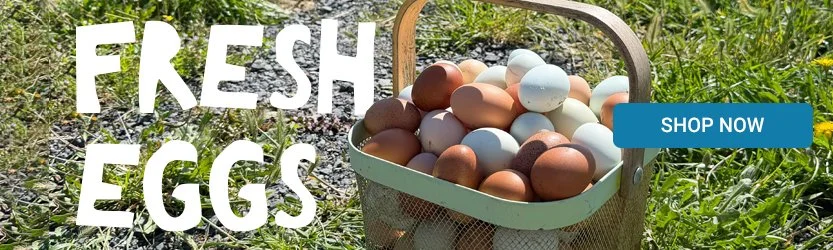
A behind-the-scenes look at small-farm dynamics
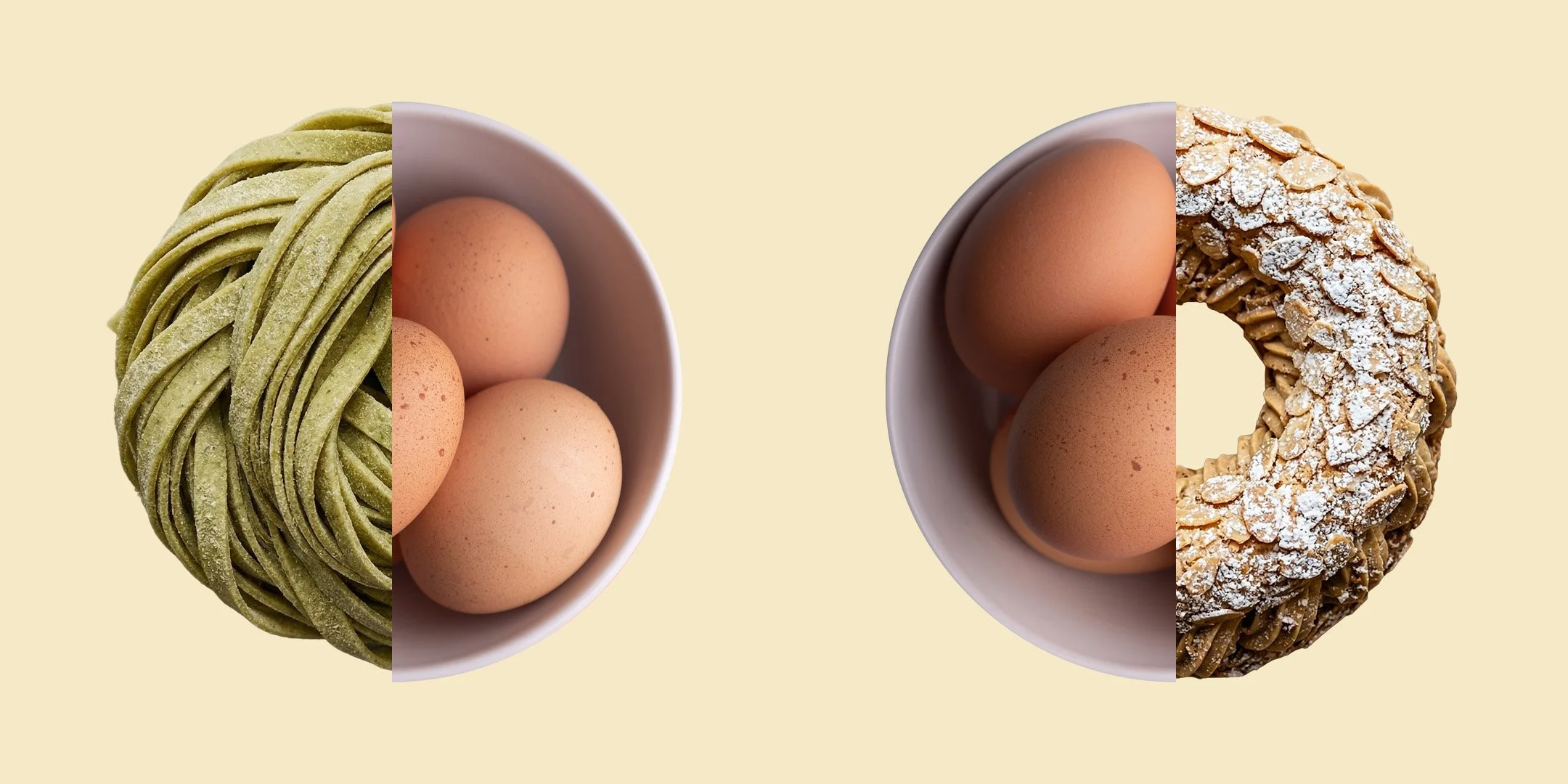
AI generated image: left image half eggs and half bundle fresh pasta knot, and right image with half eggs and half Paris Brest pastry. The composition describes how our fresh eggs transform into finished food forms. Our fresh eggs are a foundational ingredient.
Every week, without much fanfare, a crate of six hundred fresh eggs leaves our farm in West Marin and makes its way to Bayview Pasta. It's a small transaction by most measures — but on a family-run organic farm, that weekly order is a rhythm you count on. It keeps the flock working, the books balanced, and the connection between farm and table alive.
Last week, the production chain hiccupped.
When the rhythm skips a beat
The team at Bayview Pasta let us know they wouldn't be taking their usual order that week. Nothing dramatic — they simply hadn't worked through their previous batch. In the restaurant and food business, inventory backs up. It happens. But on our end, six hundred eggs don't wait, and they don't keep forever.
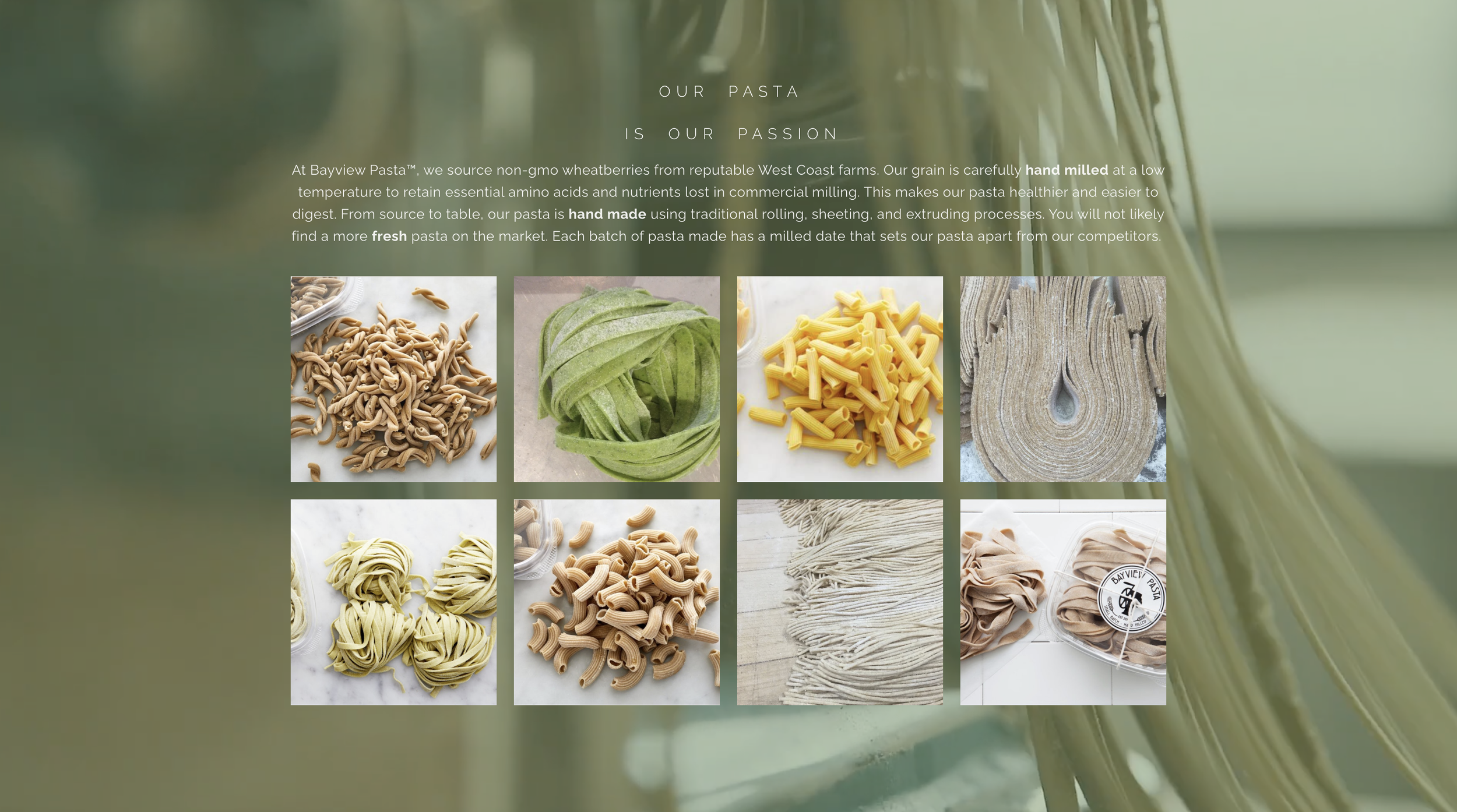
Image from Bayview Pasta website
So we did what small farm teams do: we got on a call. Everyone brought ideas to the table. Who else might need eggs right now? Who could absorb a full crate on short notice? The conversation moved quickly, the way it does when people genuinely care about finding a solution. One name came up: Creekside Bakery.
A short drive and a quick handshake
Adrian sent a quick text, then Valeria drove over and paid them a visit. Creekside Bakery, a familiar neighbor in our local food community, didn't just take the eggs — they took more than six hundred. Their ovens were busy, their team was ready, and the eggs went straight to work.
That kind of flexibility is possible because these relationships already exist. We weren't cold-calling a stranger. We were knocking on the door of a neighbor who speaks the same language we do: local, fresh, and rooted in the community.
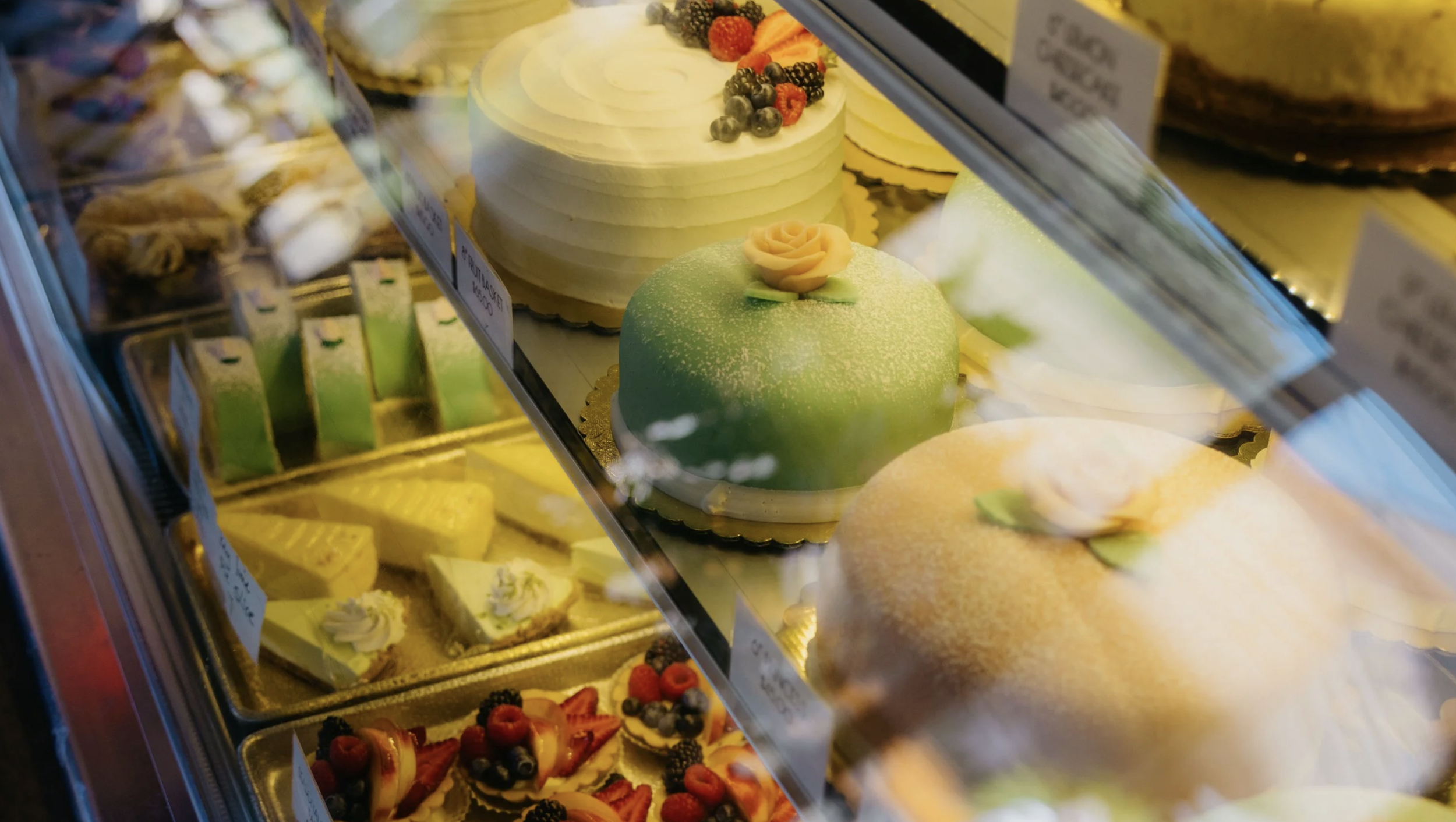
Image from Creekside website
And on the subject of Creekside — it's worth pausing to mention that they were just named Best Bakery by the West Marin Journal. We'll let you connect those dots. When award-winning bakers choose to bake with your eggs, it means something.
The chain that holds our community
Here's what customers rarely see: behind every loaf of bread, every plate of fresh pasta, and every carton of eggs at the farmers market, there is a web of informal agreements, phone calls, quick visits, and mutual trust holding it all together.
This is the invisible production chain of small-scale local food. It doesn't run on contracts or logistics software. It runs on knowing your neighbors, answering the phone, and showing up. When one link has a slow week, another link absorbs the slack. The eggs still move. The food still gets made. The farm keeps going.
This is especially true for organic family farms in Northern California, where margins are thin, and the community is the safety net. West Marin has long been home to this kind of resilient, interdependent food culture — and moments like this one are a small reminder of why it works.
Resilience is a relationship
We sometimes talk about resilience in abstract terms — as if it's a quality a farm either has or doesn't. But real resilience, at least the kind that gets you through a week when six hundred eggs suddenly have nowhere to go, is built one relationship at a time. It's the pasta maker who calls ahead instead of just canceling. It's the bakery that says yes on short notice. It's the team huddle where someone knows exactly who to call.
When you buy from a local farm, you're not just buying eggs or flour or pasta. You're buying into a system that is quietly, constantly looking out for itself — and for you.
That's worth knowing.